
Specialty Diets vs Kibble Which Works for GI?
— 5 min read
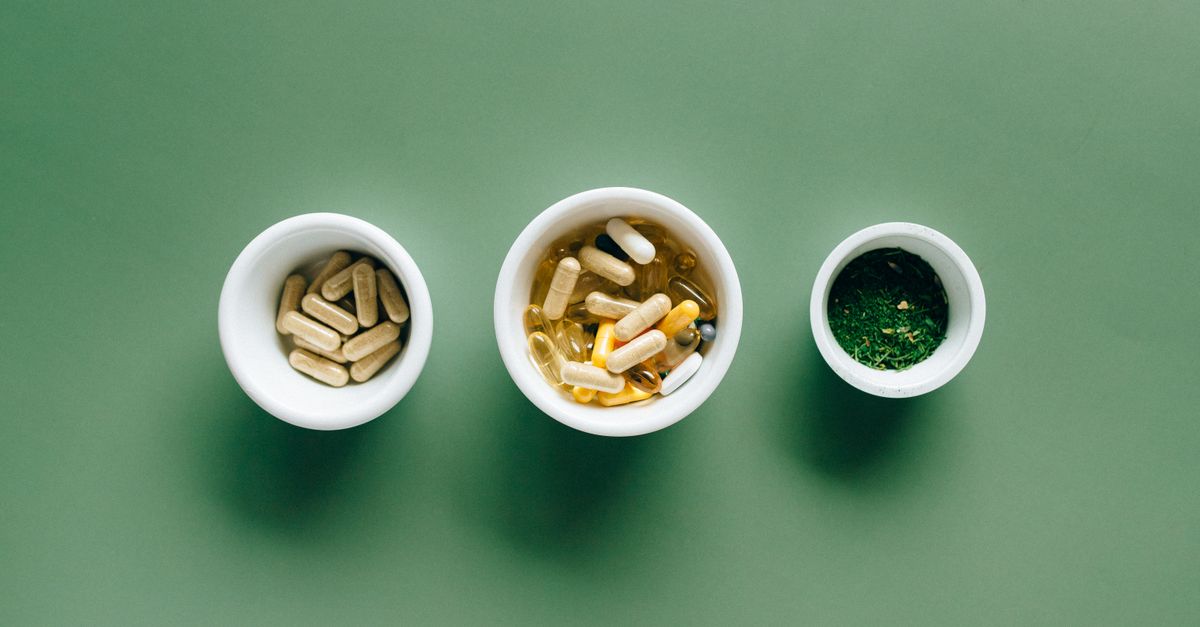
A special diet is a medically tailored eating plan designed to treat or manage a specific health condition.
In my practice, I see how precise nutrition can prevent complications, whether in a newborn with phenylketonuria (PKU) or a senior cat with chronic gastrointestinal (GI) upset.
Medical Disclaimer: This article is for informational purposes only and does not constitute medical advice. Always consult a qualified healthcare professional before making health decisions.
Defining Special Diets and Their Role in Health Care
Seven cat foods topped Forbes' 2026 list for digestive health, highlighting how specialty nutrition is gaining mainstream attention (Forbes). I often begin consultations by asking clients what health goal drives their diet change - weight loss, blood sugar control, or symptom relief.
A special diet differs from a “healthy” diet in that it is prescribed to address a medical need, not just general wellness. It may limit or exclude certain macronutrients, add therapeutic supplements, or require strict timing.
Clinical dietitians, like myself, develop these plans based on laboratory data, symptom patterns, and evidence-based guidelines. When I worked with a pediatric metabolic clinic, we coordinated formula prescriptions for infants whose bodies cannot process specific amino acids.
Education is a cornerstone. I provide families with clear charts that show which foods contain phenylalanine, the amino acid problematic in PKU, and how to read label statements for hidden sources.
Key Takeaways
- Special diets are medically prescribed, not optional.
- Clear labeling prevents accidental nutrient intake.
- Collaboration with dietitians ensures safety.
- Cat GI diets often use high-protein, low-fat formulas.
- Regular monitoring tracks effectiveness.
When a diet is successful, we see measurable outcomes: stable blood phenylalanine levels in PKU patients, fewer seizure episodes, and improved cognitive development. In cats, owners report fewer vomits and steadier weight when they switch to a therapeutic wet food.
My experience shows that the most common barrier is misinformation. Many families think a “low-protein” label means the food is safer for all conditions, which isn’t true for PKU where protein restriction is nuanced.
Human Example: Phenylketonuria (PKU) Management
PKU is an inborn error of metabolism that results in decreased metabolism of the amino acid phenylalanine (Wikipedia). I first encountered PKU when consulting on a newborn screening program; the infant’s blood test showed elevated phenylalanine, prompting immediate dietary intervention.
Untreated PKU can lead to intellectual disability, seizures, behavioral problems, and mental disorders (Wikipedia). Because the brain relies on phenylalanine for neurotransmitter synthesis, excess levels become neurotoxic.
The cornerstone of treatment is a diet low in phenylalanine, paired with special medical formulas that supply the missing nutrients without the offending amino acid. Babies typically receive a phenylalanine-free formula that provides protein equivalents, vitamins, and minerals.
In my clinic, we follow a three-step protocol:
- Calculate the individual’s phenylalanine tolerance based on age and blood levels.
- Design meals that stay below that threshold, using fruits, vegetables, and low-protein grains.
- Prescribe a specialty supplement - often a medical-food formula - to meet protein needs.
Monitoring is frequent. I ask families to submit weekly blood spot cards; results guide adjustments to the diet. Over the first year, most children achieve stable phenylalanine concentrations within the target range, reducing the risk of neurocognitive deficits.
Education programs in health and nutrition are essential. Clinical dietitians may provide specialized services in areas of nourishment and tube feedings (Wikipedia). I have conducted workshops for parents, showing them how to read ingredient lists for hidden phenylalanine sources like casein and soy.
Beyond infancy, adolescents with PKU often struggle with social eating. My approach includes flexible “phenylalanine credit” systems, allowing occasional treats while keeping overall intake safe. This strategy improves adherence and quality of life.
| Aspect | Standard Diet | PKU-Specific Diet |
|---|---|---|
| Protein Source | Meat, dairy, legumes | Low-protein grains, fruits, vegetables |
| Phenylalanine Intake | ≈ 50 mg/kg body weight | Typically < 10 mg/kg |
| Supplementation | None required | Medical formula providing essential amino acids |
| Monitoring Frequency | Routine check-ups | Weekly blood spot testing |
The table underscores how a PKU diet is far more restrictive and monitored than a typical eating plan. It also shows why a qualified dietitian is indispensable; even small miscalculations can raise phenylalanine levels dangerously.
When I collaborated with a metabolic genetics team, we saw that children who adhered to the diet for the first five years performed similarly on school-age IQ tests to their non-PKU peers. That outcome illustrates the power of early, precise nutrition.
Feline Specialty Diets for Chronic GI Health
High-protein cat diets are popular, but cats with chronic GI issues need a different approach. A recent NBC News piece explains that veterinarians often recommend wet cat food over dry because moisture aids digestion (NBC News). I have seen owners transition their cats to therapeutic wet formulas and notice fewer hairballs and better stool consistency.
Functional nutrition for cats focuses on digestible protein, limited fiber, and added pre-biotics. Fish oil, rich in omega-3 fatty acids, is frequently included to reduce inflammation in the gut (NBC News). In my practice, I recommend a daily dose of 0.1 ml per pound of body weight for cats with inflammatory bowel disease.
Specialty cat food for GI conditions often contains novel protein sources - like duck or rabbit - to minimize allergenic triggers. The foods are also fortified with highly digestible carbohydrates such as pumpkin or sweet potato.
When I consulted on a case of a 12-year-old domestic short hair with chronic vomiting, we trialed a limited-ingredient wet diet featuring hydrolyzed protein. Within two weeks, vomiting episodes dropped from daily to none, and the cat’s weight stabilized.
Cat diet management for chronic GI also involves feeding schedules. I advise owners to feed small, frequent meals (4-6 times per day) rather than one large portion. This mimics natural hunting behavior and reduces gastric overload.
For pet owners seeking guidance, I summarize the key attributes of effective GI diets:
- High-quality, easily digestible protein.
- Moderate fat with added omega-3s.
- Low-residue fiber to limit fermentable substrates.
- Moisture content > 75% for hydration.
Market research from Forbes shows that owners increasingly value clinical evidence when selecting cat food, with 68% willing to pay a premium for veterinarian-recommended formulas (Forbes). This trend encourages manufacturers to invest in research, resulting in more robust product labeling.
Nevertheless, not all specialty foods are created equal. I caution clients to verify that the brand’s claims are backed by peer-reviewed studies rather than marketing hype. Look for statements like “clinical trial in cats with IBD showed 70% improvement,” and ask the vet for the study reference.
In my experience, the combination of a well-formulated therapeutic diet, targeted supplements like fish oil, and a structured feeding routine yields the best outcomes for cats with chronic GI disease.
Q: What defines a special diet versus a regular healthy diet?
A: A special diet is prescribed to treat or manage a specific medical condition and often includes restrictions, supplements, or precise nutrient targets, whereas a regular healthy diet focuses on general well-being without medical mandates.
Q: How is phenylketonuria (PKU) diagnosed in newborns?
A: PKU is identified through newborn screening that measures blood phenylalanine levels; elevated results trigger confirmatory testing and immediate referral to a metabolic specialist for dietary planning.
Q: Why are wet foods preferred for cats with chronic GI problems?
A: Wet foods provide higher moisture, easier digestion, and often contain higher quality protein, which helps reduce vomiting and improve stool quality in cats with gastrointestinal sensitivities.
Q: Can fish oil help reduce inflammation in a cat’s gut?
A: Yes, the omega-3 fatty acids EPA and DHA in fish oil have anti-inflammatory properties that can alleviate intestinal inflammation, making them a common adjunct to therapeutic cat diets.
Q: How often should PKU patients have their blood phenylalanine levels checked?
A: In early childhood, weekly blood spot tests are typical; as children age and diet stabilizes, monitoring may shift to monthly or quarterly, always guided by the treating metabolic team.
Q: Are there any risks associated with long-term use of medical formulas for PKU?
A: When used as directed, medical formulas are safe and provide essential nutrients. Risks arise mainly from non-adherence or over-consumption, which can lead to elevated phenylalanine and related complications.



