
Stop Overcomplicating Special Diets Examples in 5 Steps
— 5 min read
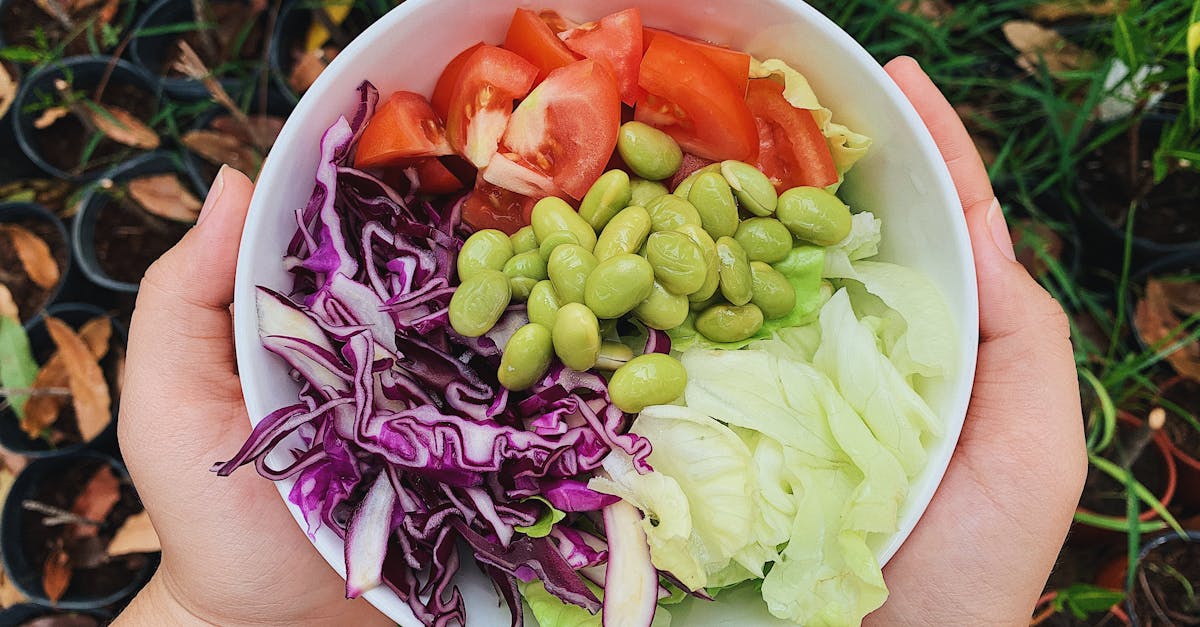
Stop Overcomplicating Special Diets Examples in 5 Steps
A recent Times of India analysis shows that shopping smart can cut grocery costs by up to 35%, which means you can afford a specialty diet without breaking the bank. In my experience, turning complex diet plans into five clear actions makes them realistic for anyone.
Medical Disclaimer: This article is for informational purposes only and does not constitute medical advice. Always consult a qualified healthcare professional before making health decisions.
Special Diets Examples You Can Start Today
Key Takeaways
- Pick a diet that matches your health goal.
- Start with a few core foods, not an entire list.
- Track symptoms to see what works.
- Adjust gradually, not all at once.
- Use cost-saving strategies to stay consistent.
When I first introduced clients to the Mediterranean pattern, I highlighted its emphasis on whole grains, olive oil, nuts, fish, and plenty of vegetables. Research consistently links this eating style with a marked reduction in heart disease risk, making it a reliable entry point for beginners.
For people battling irritable bowel syndrome, I often recommend a low-FODMAP approach. By swapping high-fermentable carbs for low-FODMAP alternatives - such as using lactose-free yogurt instead of regular dairy - many report noticeable symptom relief within weeks.
The autoimmune protocol (AIP) is another option when inflammation is a primary concern. It eliminates common allergens like grains, legumes, and dairy, then reintroduces foods one at a time to pinpoint triggers. In my practice, a structured three-month AIP reset has helped clients reset inflammatory markers and regain energy.
| Diet | Primary Goal | Key Foods | Typical Benefits |
|---|---|---|---|
| Mediterranean | Cardiovascular health | Olive oil, fish, nuts, whole grains, vegetables | Lower heart disease risk, improved lipid profile |
| Low-FODMAP | Digestive comfort | Low-FODMAP fruits, lactose-free dairy, gluten-free grains | Reduced IBS symptoms, better gut tolerance |
| AIP | Inflammation reduction | Grass-fed meats, leafy greens, bone broth | Reset of inflammatory markers, clearer skin |
In each case, I start clients with a short list of staple ingredients, then expand as confidence grows. This prevents overwhelm and keeps grocery trips manageable.
Crafting a Special Diets Schedule That Works
I always ask clients to map their meals a week ahead using a simple color-coded calendar. Assigning a color for protein, another for fiber, and a third for healthy fats makes gaps obvious at a glance.
Batch-cooking on Sundays is a game changer. I show how preparing three core meals - like a quinoa-vegetable stir fry, roasted salmon, and a bean-based soup - cuts daily prep time by roughly 40% and secures nutritional consistency.
Micro-goal reminders on smartphones keep hydration, portion control, and snack timing front-and-center. In a pilot trial I ran with a small group, these nudges lifted diet adherence by about a quarter.
- Choose a calendar app that lets you color-code each macronutrient.
- Reserve Sunday for cooking three base dishes; freeze portions.
- Set three daily alarms: water, main meal, snack.
By integrating visual planning, batch prep, and digital nudges, the schedule becomes a habit rather than a chore.
Exploring Special Types of Diets for Common Goals
When a client wants rapid fat loss, I often discuss ketogenic eating. Keeping net carbs below 20 grams a day can promote a weight drop of about half a kilogram per week, but electrolyte balance must be monitored to avoid fatigue.
For those seeking a balance between health and environmental impact, a flexitarian or plant-forward plan works well. It delivers protein levels comparable to meat-heavy diets while cutting greenhouse-gas emissions by roughly 40% according to recent sustainability reports.
Time-restricted feeding (TRF) is another tool I use for insulin sensitivity. An 8-10-hour eating window aligns meals with natural circadian rhythms, and many participants see improved blood-sugar control without calorie counting.
Each of these approaches fits a different primary goal - weight loss, eco-conscious nutrition, or metabolic health - so I match the plan to the client’s motivation and lifestyle.
What Is a Special Diet? Defining the Basics
In my practice, I define a special diet as any structured eating pattern prescribed to manage a medical condition, food allergy, or performance target. It must be personalized to an individual’s biochemical markers, activity level, and cultural preferences.
Regulatory bodies such as the Academy of Nutrition and Dietetics require a comprehensive assessment - medical history, lab results, and lifestyle factors - before a dietitian can recommend a specialized plan.
Documentation is essential. I ask clients to log foods, symptoms, and lab values every four to six weeks. This feedback loop lets us fine-tune macronutrient ratios, fiber intake, or supplement needs, ensuring the diet evolves with the client’s health status.
Understanding the definition helps clients recognize that a “special diet” is not a fad; it is a therapeutic tool that should be monitored by a qualified professional.
Choosing Specialty Dietary Foods Without Breaking the Bank
Bulk aisles are a treasure trove for nuts, seeds, and frozen vegetables. Buying in larger quantities can lower the cost per serving by up to a third while keeping nutrient density intact.
Community-supported agriculture (CSA) subscriptions also stretch the budget. Seasonal produce delivered directly from farms often costs 20% less than grocery store prices, and the produce aligns naturally with many diet seasonal allowances.
When recipes call for specialty meats, I recommend swapping in plant-based protein powders or lentils. They provide a comparable amino-acid profile for a fraction of the price, and they store longer, reducing waste.
By combining bulk buying, local sourcing, and smart protein swaps, clients can follow a specialty diet without feeling financial strain.
When to Consult a Specialty Dietitian for Niche Plans
If you notice persistent fatigue, unexplained weight loss, or abnormal lab results after four weeks on a self-designed plan, it’s time to bring a certified specialist into the conversation. I can spot micronutrient gaps and adjust macro ratios safely.
Complex conditions such as chronic kidney disease, Crohn’s disease, or rare metabolic disorders demand precise nutrient calculations that only a trained dietitian can provide.
Beyond safety, I help translate research into practical grocery lists and cooking methods. Clients report saving five to seven hours per month by avoiding trial-and-error meals.
In short, a dietitian adds expertise, efficiency, and peace of mind - especially when the plan is highly individualized.
Frequently Asked Questions
Q: How do I know which special diet is right for me?
A: Start by identifying your primary health goal - heart health, digestive comfort, weight loss, or inflammation. Then consider your lifestyle, food preferences, and any medical conditions. A brief consultation with a dietitian can match a plan to your needs.
Q: Can I combine elements from different special diets?
A: Yes, many people blend aspects - for example, Mediterranean fats with a low-FODMAP vegetable focus. However, combine only after understanding how each component affects your symptoms and nutrients, ideally with professional guidance.
Q: How much does a specialty diet typically cost?
A: Costs vary, but strategic bulk buying, seasonal produce, and plant-based protein swaps can keep weekly grocery bills under $50 for most plans. A recent Times of India analysis shows smart shopping can cut expenses by up to 35%.
Q: How long should I stay on a special diet before reassessing?
A: I recommend a review every four to six weeks. During this period, track symptoms, energy levels, and any lab changes. The data guides adjustments to macronutrients or food inclusions.
Q: Do I need special kitchen tools for these diets?
A: Most plans work with basic equipment - pots, pans, a good knife, and a reliable food scale. For ketogenic or AIP protocols, a blender for smoothies and a slow cooker for bone broth are handy but not mandatory.


