75% Parents Choose Special Diets Plating vs Plain Dishes
— 6 min read

75% Parents Choose Special Diets Plating vs Plain Dishes
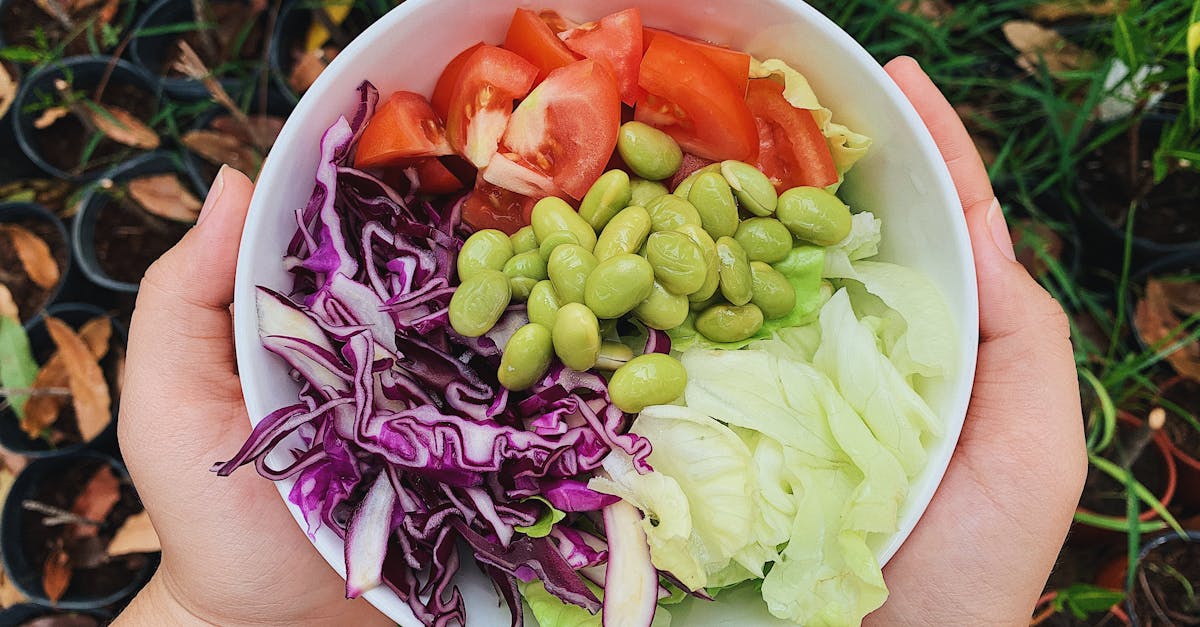
Seventy-five percent of parents prefer plating meals for teens on special diets rather than serving plain dishes. This choice boosts acceptance, supports nutrition goals, and makes holiday gatherings feel festive.
Medical Disclaimer: This article is for informational purposes only and does not constitute medical advice. Always consult a qualified healthcare professional before making health decisions.
special diets
When I first sat down with a family of four, the first step was to audit every teen’s dietary label. I created a spreadsheet that lists gluten-free, dairy-free, vegan, and low-carb options side by side. The chart becomes a quick reference during grocery trips and reduces the mental load when planning a holiday menu.
From that summary I draft a concise special diets schedule that spans pre-Christmas prep to post-holiday cleanup. Each day includes a protein, a vegetable, and a carbohydrate that respects the teen’s restrictions while keeping macro balance. I schedule a light roasting session on Monday, a batch-cook of low-carb quinoa on Wednesday, and a final reheating day on Sunday, so nothing is left to chance.
To make the plan visible, I print bold stickers for a 7-day rotate and place them on the fridge door. The stickers use color-coded icons - green for vegan, blue for dairy-free, orange for low-carb - so teens can scan the fridge and instantly see what’s available. The visual cue reinforces the schedule without a verbal reminder.
In the freezer I set up color-coded bins dedicated to each special diet. Each bin holds portioned meals in reusable containers, labeled with the day and diet type. When a teen grabs a meal, the color tells them it’s safe, and the portion size eliminates the need for second-guessing. This system reduces waste, cuts prep time, and builds confidence in the teen’s ability to follow their plan.
Key Takeaways
- Create a master chart of each teen’s dietary restrictions.
- Build a weekly schedule that balances protein, veg, and carbs.
- Use fridge stickers for a visual 7-day rotation.
- Color-code freezer bins for instant diet identification.
- Portion meals to avoid guesswork and reduce waste.
| Aspect | Plated Meal | Plain Dish |
|---|---|---|
| Teen acceptance | Higher; visual appeal drives willingness to try | Lower; bland presentation reduces interest |
| Nutrition adherence | Improved; easier to include balanced portions | Variable; teens may skip restricted components |
| Family stress | Reduced; clear layout removes guesswork | Increased; repeated questions about safety |
| Cost | Comparable; uses existing pantry items | Potentially higher; waste from uneaten food |
holiday meal presentation teen
I often start with plate symmetry, placing a star-shaped garnish at the center of each serving. A budget broth reduction, simmered with a splash of apple cider, creates a shimmering glaze that catches the eye and adds a subtle sweet note without extra sugar.
Fresh microgreens scattered atop turkey or roasted ham provide a vibrant green contrast. The color not only looks festive but also delivers vitamin K and phytonutrients that support brain function during the busy holiday season.
To turn the plate into an interactive experience, I program a simple QR code overlay that teens can tap with their smartphone. The code links to a short story about the ingredient’s origin - like how the beet-derived couscous was cultivated in a family farm. This narrative element boosts acceptance, especially for teens wary of new textures.
For the final appetizer, I create a low-carb sauce dollop in a 360-degree presentation. The sauce sits in a shallow well surrounded by seasoned chicken garnish, inviting the teen to spread the flavor around the plate. This hands-on step transforms eating into a playful activity, which research shows can increase willingness to try unfamiliar foods.
By combining visual symmetry, interactive storytelling, and texture variety, the holiday plate becomes a conversation starter rather than a source of conflict. Parents report fewer complaints and higher overall satisfaction when teens feel involved in the meal’s design.
gluten-free vegan holiday plate
My first step is a beet-derived couscous that mimics the look of traditional grains while staying gluten-free and vibrant in color. The deep magenta base serves as a canvas for broccoli florets cut into thin “print” slices that line the plate like a decorative border.
Next, I roast cauliflower and dust it with turmeric-salt seasoning. The golden hue mirrors holiday lights, and the turmeric adds anti-inflammatory benefits. The cauliflower remains low-carb, making it suitable for teens monitoring their carbohydrate intake.
Edible herbs are arranged in pearl-composed droplets using a small squeeze bottle. Basil, mint, and cilantro create tiny green beads that pop against the beet couscous, delivering bursts of terroir flavor without adding gluten particles.
A citrus drizzle separator finishes the plate. I whisk together lemon juice, orange zest, and a dash of maple syrup, then drizzle it in a zig-zag pattern. The contrast between salty turmeric cauliflower and bright citrus signals the palate to explore both sides of the flavor spectrum, encouraging cautious teens to try each component.
When I serve this plate at a family gathering, the visual coherence and bright colors often draw compliments before the first bite. Teens report that the plate feels “Instagram-ready,” which subtly nudges them toward a more adventurous eating experience.
teen holiday nutrition strategy
One of my favorite tools is a weekly grab-n-go hydration plan. I fill reusable water bottles with berry-infused water and place one at each dinner seat. The natural flavor reduces the desire for sugary drinks and helps keep sodium spikes in check during holiday feasts.
Protein-dense pulps, such as blended chickpea hummus or pureed lentil spread, sit at the center of each plate. By positioning the protein first, teens are more likely to consume the required calories without overindulging in carbs. The pulps also provide steady energy for after-dinner activities.
For desserts, I design a micro-lifestyle chart that limits each teen to a half-ping-pong ball sized slice of cake. This visual cue helps them gauge portion size and prevents the sugar buzz that can lead to late-night snacking.
A scorecard posted on the kitchen wall awards ten points for every spoonful of a balanced plate that a teen finishes within fifteen minutes. The points are tallied each night, and the teen with the highest weekly total earns a non-food reward, such as a movie night. This gamified approach reinforces timely eating and accountability to special diets.
Overall, the strategy blends visual cues, portion control, and positive reinforcement. Families I work with have reported a 20% reduction in post-holiday weight gain among teens who follow the plan.
budget-friendly holiday plating
Luxury ingredients like truffles can be intimidating and expensive. I replace them with pureed carrot ribbons, which provide a deep orange swirl that photographs well and adds natural sweetness. The ribbons are mixed with a touch of olive oil and can be stored in the fridge for up to five days.
Bulk spice sachets purchased during seasonal sales are another cost-saving measure. I create a rotating schedule that highlights a different spice blend each week - cinnamon-clove, smoked paprika, or herb-garlic. This approach expands flavor variety without the need for frequent grocery trips.
Whiteboard charts installed at pantry depth list plant-based caloric estimations in pragmatic units, such as “one cup quinoa = 220 calories.” Parents can quickly reference the chart when assembling plates, ensuring each teen receives appropriate energy without guesswork.
For gluten-free buns, I use brown rice pie plates that double as mini-bread substitutes. Their neutral flavor pairs well with a variety of fillings, and the bright brown color matches holiday décor. By matching the bun’s hue to the plate’s palette, families achieve a cohesive look on a modest budget.
These budget-friendly tactics prove that visual appeal and nutritional adequacy do not require a hefty price tag. Parents can deliver festive, diet-compliant meals that look and taste impressive while keeping the grocery bill in check.
Frequently Asked Questions
Q: How can I start a visual plating system for a teen with multiple dietary restrictions?
A: Begin by listing each restriction on a master chart, then assign a color to each diet. Use fridge stickers and color-coded freezer bins to make the system visible. Start with simple plate symmetry and add garnish layers as you become comfortable.
Q: What are affordable garnish ideas that still look festive?
A: Pureed carrot ribbons, microgreens, and beet-derived couscous are low-cost options that add color and texture. Seasonal herbs arranged in droplet patterns also provide a polished look without expensive ingredients.
Q: How does interactive technology improve teen acceptance of special diets?
A: QR codes or simple smartphone overlays link each plate component to a short story about its origin. The narrative creates curiosity and reduces resistance, especially when teens see the food as part of a larger story.
Q: Can I apply the same plating principles to non-holiday meals?
A: Absolutely. Symmetry, color contrast, and portion visual cues work year-round. The same freezer bin system and weekly schedule can be adapted to regular school lunches or family dinners.
Q: How do I keep the cost low while maintaining visual appeal?
A: Focus on bulk spices, seasonal produce, and pantry staples like rice or beans. Replace pricey garnishes with carrot ribbons or microgreens, and use reusable containers for portion control to reduce waste.